Caffeine anhydrous, 138 mg — a functional dose. Comparable to
a strong cup of coffee, and within the range where caffeine's well-established effects on
alertness and short-term thermogenesis apply. This ingredient is doing real work.
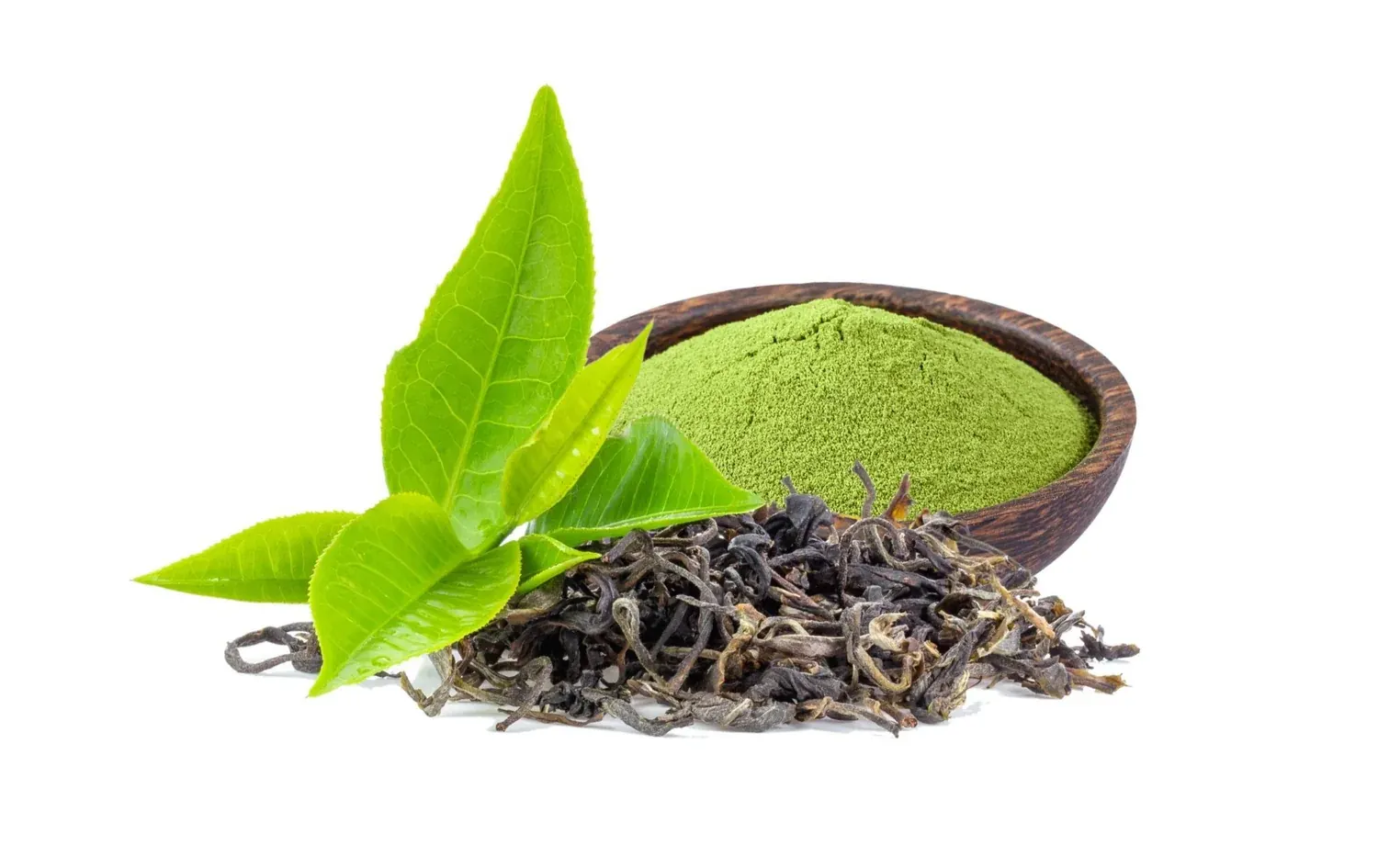
Green tea extract, 130 mg at 45% EGCG — a genuine but modest catechin
dose. Roughly 58 mg of EGCG. Below the intakes used in most catechin
thermogenesis studies, which often ran into the hundreds of milligrams — and also
comfortably below levels associated with liver concerns, which is worth knowing as
reassurance.
Garcinia extract, 130 mg at 50% HCA — roughly 65 mg of hydroxycitric
acid. Trials of garcinia typically used well over a gram of HCA daily. This is a
small fraction of that, and the review the official source itself cites concluded the
effect on body weight was small and of questionable clinical relevance even at study
doses.
Green coffee bean extract, 130 mg at 50% chlorogenic acids — roughly
65 mg of CGA. Below the doses used in the trials associated with this
ingredient, and that literature has a complicated history covered in full on its own
page.
Raspberry ketone, 130 mg — no meaningful human efficacy evidence at any
dose. The research behind this ingredient is almost entirely cell and animal
work, at concentrations that do not translate to human supplementation.
How to read the research on this SodaSlim page
The studies described here examined individual ingredients, usually on
their own, at doses set by the researchers. That research provides scientific context
for why an ingredient appears in a formula.
It does not demonstrate that the finished SodaSlim product produces the
same outcomes. No clinical trial of this finished formula has been published, so nothing
here is product-level clinical evidence.
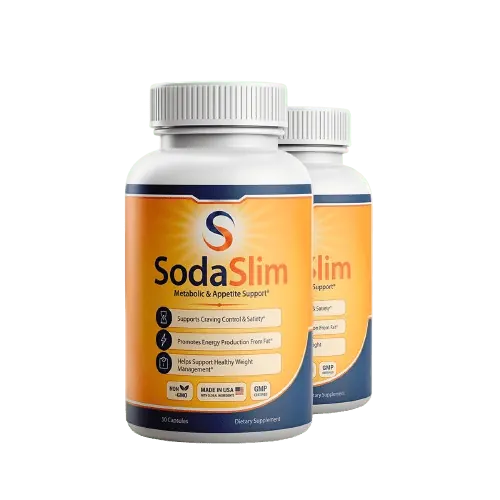
SodaSlim contains real caffeine — know the amount
Each capsule contains 138 mg of caffeine anhydrous, plus a small
additional amount from the green tea extract. That is roughly the caffeine in a strong
cup of coffee, and it is a genuine dose rather than a trace.
Practical consequences worth planning for. Count it toward your daily caffeine total
— health authorities generally consider up to about 400 mg a day acceptable for
most healthy adults. Take it early, since caffeine has a half-life of five to six hours
and an afternoon capsule is still meaningfully present at bedtime. And expect the usual
effects if you are sensitive: jitteriness, a raised heart rate, disturbed sleep or
anxiety.
The product label states it is not for use by anyone under 18 or by pregnant or
nursing mothers, and advises consulting a physician before use, especially if
you take medication or have a medical condition. Anyone with a heart condition, high
blood pressure, an anxiety disorder or a caffeine sensitivity should take that advice
seriously rather than as boilerplate.